It seems strange that presidential candidates, many of whom have created and run successful businesses and maneuvered through politics, would claim that climate change doesn't exist, or deny the degree that scientists say it is happening. These aren't idiots, even if the media might try to portray them that way. So what's behind this, where conservatives go against the majority of scientists and their evidence?
Well, it's complicated. But it mostly has to do with the politicization of the issue.
This blog mostly deals with fantasy. So why bring this up? I know it's a stretch, but it has to do with the fantasies we create to fool ourselves. And no, liberals are not immune to this. They just do it on different issues, and in a different way on this issue.
The first reason that many conservatives reject the data is because it doesn't fit in their worldview. They fear what would happen if they admitted climate change was real. Not so much for the doomsday predictions that many scientists declare, saying the poles will melt, the oceans will rise, and the earth will slowly transform into a place nearly unlivable for humans. No, they fear that if they admit that climate change is real, then the responsibility to fix it will fall to the government. And conservatives distrust government involvement, not wholly without reason. Government programs are generally less efficient and effective than that of private organizations like businesses or churches. And if government does happen to save the day, unlikely when it is so polarized on nearly every issue, then people will feel a debt and vote for the party that brought about the change, which would probably be the Democratic party, just because they're the ones advocating for change.
The only way the government could do anything would be to pass stricter regulations on emissions, waste, etc. Government by itself won't innovate a new technology to save us, because it is run by politicians, not scientists. With harsher regulations, many businesses would feel stress to comply, and some will go under. Conservatives who believe in climate change generally believe that a free market solution will go further and be less disruptive than government intervention. But liberals, despite pressuring businesses to 'Go Green,' want more done.
Many conservatives are also religious, which affects their worldview as well. Some interpret their scriptures as saying that God has all power, and us humans can't destroy his creation. But, then again, Christian scripture, specifically Revelation, talks about the last days, how plagues will fill the earth, the moon will turn to blood, the sun will withdraw its light, and other things that could correlate with climate change.
Looking at the issue objectively, it might seem hopeless to find a solution. Have we gone past the point of no return? Will we cause an apocalypse, where many die and mankind has to go back into survival mode? The many movies and shows that deal with post apocalyptic futures, from Mad Max to The Walking Dead, reflects this unconscious belief, or fear if you will, that everything's going to collapse on itself. And many people, especially the problem solvers like business owners, don't want to contemplate the idea that nothing can be done. It's not an immediate problem, so it can be pushed down the line. It's the same with bloated, unsustainable entitlement programs: keep them up so people won't get angry, but in the end they will implode.
Personally, I'm pessimistic about this. Everything the government and 'green' companies are doing might slow down the acceleration, but it's like putting a bandaid on a broken bone. We are consuming more and more electronics, with no stopping in sight, even though they rely on rare earth minerals, which, by their very definition, are rare. The climate has changed because of human intervention, if not as a whole, then in pockets (if you've been to Mexico City, it would be obvious). We can hope for a technological development, like useful electric cars, with greatly reduce emissions, but there are two problems with that example: the cost of electric cars is prohibitive to most right now, and the fact that many forms of generating electricity still pollute the air.
Hopefully, some new innovation or combination of many will fix the dying earth. But if the solution doesn't come? If we're forced to choose between a healthy earth or our iPhones, what will we choose? What are we willing to sacrifice? Or do you cling to the fantasy that we won't pay sacrifices? That climate change isn't real? That the government will step in and save us all?
What people call ideology in this case happens to be a fantasy. So which is yours? And can you blame the other side for clinging hopefully to theirs?

Showing posts with label Fantasy. Show all posts
Showing posts with label Fantasy. Show all posts
Friday, June 5, 2015

Wednesday, June 3, 2015
Why I don't watch Game of Thrones
I'm a big fan of fantasy. I've read the books. So why don't I watch HBO's series Game of Thrones? You'd think I'd be all over it. And while I admit there's the temptation, there are also several reasons why I don't.
First of all, there's the practical reason. I don't have HBO. I don't even have cable (unless you count Netflix). There's just not enough of a compelling reason for me to get cable, let alone HBO. Now, I know, I could buy the seasons after they come out on DVD, but I don't really want to spend my money on that, either. And while I've read that it is only of the most illegally downloaded shows out there, well, getting an illegal copy is just that, illegal.
Now, that's a pretty weak excuse, if I really wanted to watch it. But there are other more important reasons why I don't want to. The content is one of those reasons. While I've been desensitized to on screen violence, from what I've heard, this show takes it to a whole 'nother level. And in a way, it's hard to relate. Unless you're two years old, you probably don't use violence to get your way (and if you do, you should be behind bars). Even our wars don't rely much on outright violence. Instead, many targets are killed by use of drones, snipers, or bombs. Still real, but not up close and personal like a good ol' sword fight. So the violence on the show isn't as relatable as it could be if they just toned it down a bit.
More importantly, in regards to content, though, is the sex. Take a look at the parent advisory section on IMDb.com and you'll see a list in the sex section that makes you think this is a porno, not a drama. And while the violence might not affect people that much (just like in video games, where 99.9% of people that play violent video games don't go out and shoot anyone), the sex portrayed actually can affect you, in subtle ways. Based on the books, the sex in the show doesn't seem to involve loving intimacy between husband and wife, but it's more along the lines of men hiring a prostitute, incest, or violent sexual assault against women. When the best you can hope for is consensual sex between two unmarried people, you know you've got a warped sense of values. There's enough media trying to warp our perceptions on sex. I don't need to add porn disguised as a story to that. At least in the books, it didn't go over all the dirty details, usually, but there's a difference between written word and seeing it on video. And even reading it got too much at times.
Which brings me to the next point, possibly the most important. Like I said, I've read the books. I thought the first book was great, and Ned's death shocked me. I kept expecting him to come out and say it had all been a trick, that someone else died in his place. But no such luck. As memorable as that was, though, when I read the second book, I didn't know who to root for. Ned had seemed like the only really good person. I went to Dany and Jon Snow. Tyrion had his funny moments, but was a bit too cynical for me. But with most of them gone in the fourth book, and without much to do in the fifth book, I stopped cheering for them. And that is one of the weaknesses of George R. R. Martin's story: if anyone can die unexpectedly, then sooner or later, I'm going to protect myself by severing my attachment to the characters. If anyone can die unexpectedly, then it begs to wonder, why are we even reading their story, aside from the shock value? Sure, some people can die, like in the real world, but if I'm expecting the entire cast to die sooner or later, then what's the point?
So while all the political maneuvering interests me, I think I'll stick to more family friendly media, especially since I'm now a father. Or better yet, write my own books, dealing with similar themes, but only hinting at the terrible details, instead of showing them in full splendor.
Martin's books might possibly have left more of an impression that way.
First of all, there's the practical reason. I don't have HBO. I don't even have cable (unless you count Netflix). There's just not enough of a compelling reason for me to get cable, let alone HBO. Now, I know, I could buy the seasons after they come out on DVD, but I don't really want to spend my money on that, either. And while I've read that it is only of the most illegally downloaded shows out there, well, getting an illegal copy is just that, illegal.
Now, that's a pretty weak excuse, if I really wanted to watch it. But there are other more important reasons why I don't want to. The content is one of those reasons. While I've been desensitized to on screen violence, from what I've heard, this show takes it to a whole 'nother level. And in a way, it's hard to relate. Unless you're two years old, you probably don't use violence to get your way (and if you do, you should be behind bars). Even our wars don't rely much on outright violence. Instead, many targets are killed by use of drones, snipers, or bombs. Still real, but not up close and personal like a good ol' sword fight. So the violence on the show isn't as relatable as it could be if they just toned it down a bit.
More importantly, in regards to content, though, is the sex. Take a look at the parent advisory section on IMDb.com and you'll see a list in the sex section that makes you think this is a porno, not a drama. And while the violence might not affect people that much (just like in video games, where 99.9% of people that play violent video games don't go out and shoot anyone), the sex portrayed actually can affect you, in subtle ways. Based on the books, the sex in the show doesn't seem to involve loving intimacy between husband and wife, but it's more along the lines of men hiring a prostitute, incest, or violent sexual assault against women. When the best you can hope for is consensual sex between two unmarried people, you know you've got a warped sense of values. There's enough media trying to warp our perceptions on sex. I don't need to add porn disguised as a story to that. At least in the books, it didn't go over all the dirty details, usually, but there's a difference between written word and seeing it on video. And even reading it got too much at times.
Which brings me to the next point, possibly the most important. Like I said, I've read the books. I thought the first book was great, and Ned's death shocked me. I kept expecting him to come out and say it had all been a trick, that someone else died in his place. But no such luck. As memorable as that was, though, when I read the second book, I didn't know who to root for. Ned had seemed like the only really good person. I went to Dany and Jon Snow. Tyrion had his funny moments, but was a bit too cynical for me. But with most of them gone in the fourth book, and without much to do in the fifth book, I stopped cheering for them. And that is one of the weaknesses of George R. R. Martin's story: if anyone can die unexpectedly, then sooner or later, I'm going to protect myself by severing my attachment to the characters. If anyone can die unexpectedly, then it begs to wonder, why are we even reading their story, aside from the shock value? Sure, some people can die, like in the real world, but if I'm expecting the entire cast to die sooner or later, then what's the point?
So while all the political maneuvering interests me, I think I'll stick to more family friendly media, especially since I'm now a father. Or better yet, write my own books, dealing with similar themes, but only hinting at the terrible details, instead of showing them in full splendor.
Martin's books might possibly have left more of an impression that way.
Monday, September 9, 2013

Monday, July 8, 2013
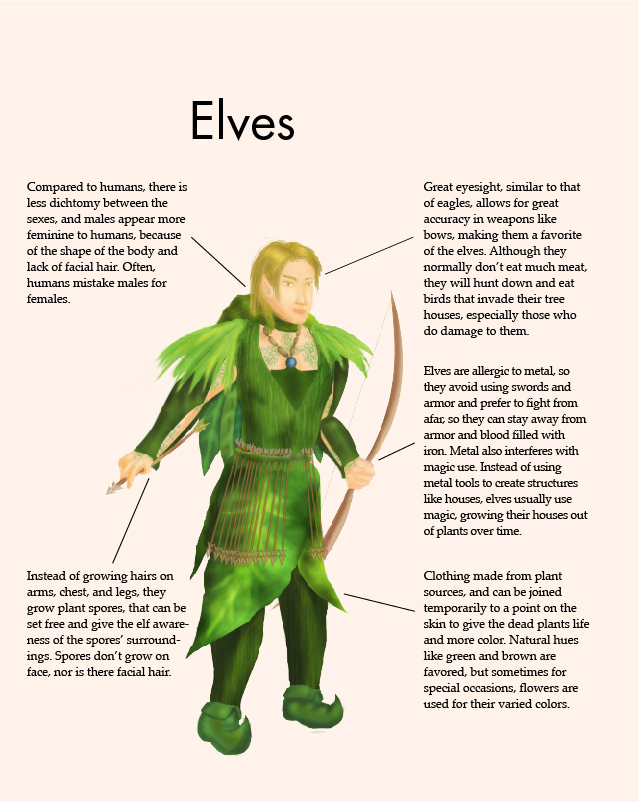
Rithmatist Review
 The Rithmatist by Brandon Sanderson
My rating: 4 of 5 stars
This book was enjoyable, even for a YA book. Unlike the Alcatraz books, this one is serious, but keeps it's tone pretty light, especially with the main character, Joel, who is so enthusiastic that it is contagious. He's devoted to learning about rithmatics, making chalk drawings come to life, but unfortunately, he's not one himself, so he can just study it when allowed, but can't actually do it. Most of the book, you're wondering if he'll become one himself or not, I won't spoil it here, but at least at the beginning, you get the point of view of someone who isn't a rithmatist, which helps, having Joel not be a superpowered rithmatist who can use all 8 or 10 or 12 metals, I mean, knows all the defenses. Sometimes having a powerful hero is appropriate, other times, we want a Frodo, who has no magic but gets things done. At first I thought it would be a stand alone book, but at the end there were some twists that entail another book, maybe more, as well as keeping it from going into the Harry Potter zone. It was easy reading, a brisk adventure set in an alternate history. The world wasn't explored much, but there are plenty of things to explore later on. While no Way of Kings, it is fun to read. I can imagine an IPad app coming out, where you can actually draw out the circles and defenses and send out little chalklings. I mean, Sanderson already wrote a book for Infinity Blade, now he can have his own game out there. We'll see.
View all my reviews
Tuesday, June 11, 2013
Fallen ebook
For any of you have been following my blog, you probably have noticed my short stories. Well, now they are available in one place, conveniently in ebook format (soon to come to kindle as well). It includes all the short stories on this blog, including the full version of Fallen (known as Apple on this site). The book also comes with the covers I’ve made, as well as the prologue for book one of Sage Eyes. Hope you enjoy, please support!
Fallen and Other Short Stories, an Ebook by Matthew Barrett
http://www.smashwords.com/books/view/325151
Tuesday, May 21, 2013
Assassin's Apprentice Review
 Assassin's Apprentice by Robin Hobb
My rating: 3 of 5 stars
My experience with Robin Hobb up till now has not been good. I first read the Soldier's Son Trilogy, which I found nearly painful to read. The main character obsessed over his weight so much he felt like a girl, and was always depressed and nothing much seemed to happen. Admittedly, it's been a few years, so I might be oversimplifying, but I remember I did not enjoy it much. Then I read the first book of the Tawny Man series, which is a sequel to this series, although I didn't realize it. So I had no idea what was going on, and it moved really slow. So I came to this book with trepidation, but still, I had heard that Robin Hobb was such a great author, she had to have something good. I started reading it, and found it was a better experience than I feared.
The good
It was down to earth, not over the top like so much literature now. The world felt well realized, and the main character was far from overpowered.
The magic was interesting because so little was known about it. Fitz sensing animals was nothing special, but it was interesting that we don't know if he will go crazy like others who had the same ability. As for the Skill, still don't know much about it, but it does appear a lot subtler than most magic.
The villain wasn't overpowered either. No one is in complete control, but everyone is struggling to get some sort of power and keep it.
The bad
Having royalty with names like Shrewd, Regal, Chivalry, and then having to act out that attribute, was a little strange and out of place.
The main character felt more like a blank boy than someone with a real personality. He get depressed easily and ended up doing nothing for a while.
He was supposed to be training to be an assassin, but this is not believable at all. The only people he kills are soulless beings, and when given a real assignment, he can't do it. Sure, there should be moral questions, but Fitz never remotely seemed like he could ever be a real assassin. I knew he wouldn't kill his target at the end, so there was no surprise there.
The pacing was slow. Not as big a problem as some of the other books of hers, but I was in no hurry to finish it. There wasn't much suspense or anything to look forward to. I'm not even sure I feel compelled to read the next ones in the series. We'll see.
Overall, a solid book, but nothing really amazing in my opinion. Good in comparison to the other Robin Hobb books I have read.
View all my reviews
Thomas Covenant Review
 The Chronicles of Thomas Covenant, the Unbeliever by Stephen R. Donaldson
My rating: 3 of 5 stars
If you don't know what these books are about, Thomas Covenant is a modern leper who has lost his wife and most everything else. After an accident, he finds himself in "The Land", a land of fantasy creatures and people threatened by Lord Foul (the names in these books are not that original). Thomas' wedding ring is supposedly a powerful artifact to combat Lord Foul. But Thomas believes it's all in his head and doesn't think his choices matter. The people all believe in him, but he doesn't want them to. I wanted to like the books, but the writing style was very hard for me. Maybe I'm used to different styles, but it was hard for me to follow what was going on, and at times I got bored. I struggled to finish the first trilogy and couldn't bring myself to read the second. There were some good ideas, like Thomas refusing to shave to see if he would have a beard in his own world, although he then shaves it off and defeats the purpose. The concept, that you're responsible for your actions, whether they really affect other people or not, is interesting. Does it apply to things like World of Warcraft? Anyway, the descriptions didn't help me picture The Land very well, and Thomas was always whining and feeling sorry for himself, so it was a tough read. But it does take a different angle to fantasy than Lord of the Rings, where every character is perfectly good or evil.
View all my reviews
Sunday, May 19, 2013
First Law Trilogy Review
 The First Law Trilogy by Joe Abercrombie
My rating: 2 of 5 stars
This has some spoilers, so if you really want to read through the series, don't read this review.
So everyone seems to like these books because they turn the fantasy world upside down. There's the usual tropes, the quest, with the prince, the barbarian, the warrior princess, and the mage, off to find some mysterious artifact that will stop some dark lord. Fairly familiar, except that everyone is a jerk and they never find the dumb artifact. Theres also a crippled torturer who is supposed to gain sympathy. So there are some interesting twists, and if I were to judge this on the first book alone, without having read the others, I might have given this a higher score. It was intriguing, and you want to find out what's next. Are things going to get better? No. That's the problem. Maybe I judge books too much on their ending, but if they don't end satisfactorially for my, then I'm not happy, even if it was good up till then. The noble is a self righteous jerk. The warrior girl is blind to everything but her own revenge, which she never gets. The mage looks at everyone else as inferiors and tools. The barbarian is the most sympathetic, but he's pretty much just along for the ride. The torturer is just that: he tortures people. Just because we get to see his point of view doesn't make him good or sympathetic. He does some bad things. And the ending is a total let down. It feels like someone played a prank on me. I read three books just for this? So back to the first point. It turns the fantasy genre upside down. I think the genre needs to look at itself now and then and not just follow blindly what others, like Tolkien, have done. But making the whole thing pointless? That turned me off. If you like gritty, you might like this, but if not, don't bother.
View all my reviews
The Death Gate Cycle Review
 The Seventh Gate by Margaret Weis
My rating: 3 of 5 stars
So I'm going to rate the whole series. I've been reading these books for some time now, between other books. There are seven in total, quite a long series. It has an interesting premise. There are five races: humans, elves, dwarfs, sartan, and patryn. The first three are roughly the same strength, while the latter two are supposed to be much more powerful and consider themselves demigods, if not gods outright, but they are bitter foes, the sartan supposedly good and the patryn supposedly bad. A long time ago, the sartan, fearing the patryn, used their magic to lock them up in a labyrinth, their prison, and to divide the world into four elements, earth, water, fire, air. Each world would emphasize one of these elements, so in the air world, there are floating continents, but little water. Supposedly, the resources would be shared between the worlds and everyone would be happy and in paradise, the sartan watching over the lower races. But then they disappeared and left the humans, elves, and dwarfs by themselves, having to duke it out for their resources. The books begin with one patryn, Haplo, who had broken free from the terrible labyrinth, being sent out to explore these worlds and find out what happened to the sartan. At first, the books explore the cultures and how each race adapted to their environments, which is a bit interesting, there are some unique ideas, but later on it gets a little complicated, with evil incarnate trying to disrupt everything. Early on, Haplo find Alfred, a bumbling sartan, and even though they are enemies, are forced to work together. For most of the series, Haplo is an antihero, the villain who is going to conquer everything, but then he slowly is converted to good, and builds a relationship with Alfred. Unfortunately, I felt that relationship was altogether too abrupt, with them becoming pals in the sixth book. It was more interesting with the tension between them. The last three books felt like they lost their way, once they stopped describing the worlds. And while the worlds and cultures were interesting, they felt underpopulated. I didn't feel there were great cultures to be explored, just a few squabbling nobles to try to represent them. The elves, humans, and dwarfs were all so similar, it didn't feel necessary to have them. I don't mind these races, but only when there is a reason to have them, something unique about them. The characters were mostly filler, and I didn't really care about the lower race characters. Even Haplo and Alfred didn't feel well rounded. And every leader of the people was stupid, something I would call lazy writing if I couldn't compare them to the leaders in the government today (just kidding). The ending wasn't great. The wizard Zafnib just called attention to the fact that these were books and dated them, using cultural references from the 80's and 90's, although some of the jokes were funny...at first. Anyway, they had an interesting premise but weren't executed perfectly. Reminiscent of the Dragonlance books, but in a less predictable setting.
View all my reviews
The Gate Thief
 The Gate Thief by Orson Scott Card
My rating: 3 of 5 stars
Like Pathfinder, this series gets more philosophical in the second book and a lot less happens. In the first, Danny was discovering his powers, balancing his power with responsibility and a thirst for friendship. Now he just uses his friends to bounce ideas off, and they pretty much talk for the whole book. Moral issues are an interesting and important part of having superpowers, often not explored enough, but there does need to be a balance, and discussion should flow naturally from the situations presented, instead of in dry dialogue. One of the most frustrating things was that every girl was trying to throw herself at Danny. Maybe plausible, once they knew he had powers, although it was stretching, but the most frustrating part was the reasons given for it. They just wanted to get pregnant, have his baby, because he was powerful and they were attracted to power. These are adolescent girls, I really don't think that even if they wanted to have sex with him, it would be about getting pregnant. Even if there is the subconscious biological urge, most girls wouldn't articulate these ideas. Danny resists, which I don't have a problem with, since sex is a cause of so many problems in the world today, but the way he does it is so unbelievable. He is so divorced from his emotions, with his head thinking pure logic, and we don't feel the struggle. In that type of situation, there would be a lot of confusion, trying to be good morally, wanting to give in emotionally, and logic probably wouldn't enter, just would knock timidly from the outside while emotions wrestled. Time after time, the situation goes like this: Danny finds himself alone with girl. Girl moves forward, making obvious advances, saying she wants to have his baby. Danny thinks: oh, this is biological, she just evolved this way. Oh, I evolved to respond to this. My body would be pleased. But this is wrong. She doesn't know what she's doing. Teleport away. Safe! It felt like an insult to women everywhere, to suggest they would all throw themselves on anyone with a bit of power. Still, other ideas were interesting, and when there was action, it was entertaining enough, plus the revelations got you hooked. I would have liked having other powers explored more, instead of just gating. The final conflict was anticlimatic. With all of this, I will probably read the last book when it comes out, hoping it gets back to action instead of pondering. Orson Scott Card's writing is good, I just wish he would focus more on content and story.
View all my reviews
Beyonders Review
 Brandon Mull's Beyonders Trilogy: A World Without Heroes; Seeds of Rebellion; Chasing the Prophecy by Brandon Mull
My rating: 4 of 5 stars
For what they are, middle school age books, they do a good job of giving a story that is fairly complex and mature. Obviously, compared to adult books, they feel very naive and simple, but they aren't really meant to be compared. It is a standard boy and girl get transported to another world and have to become its saviors, especially since no one in that world wants to stand up against the evil magical emperor Maldor, who has killed all the other wizards who might stand up to him. The books flow pretty well, although the second one felt kind of forgettable to me. Ironically, despite the first book being called a world without heroes, there are several characters that are heroic, almost too heroic. Prince Galloran feels like an old blind Aragorn who kept all his sword skills. Personally, I don't really like it when someone, especially some kid, goes to another world and suddenly is declared to be its hero and everyone worships them, even though they don't actually do much (Narnia, Thomas Covenant, etc). The main characters Jason and Rachel go to Lyria, full of magic and warriors, and immediately get sent on a quest to kill the emperor. It would be like some caveman being sent to our time and being enlisted in special ops with an emphasis in computer hacking. Rachel does eventually learn magic, but Jason proves fairly useless, aside from a few bright ideas. By the end, several characters die, but many of them are filler characters that barely get a eulogy when killed. In fact, many are drinlings, who have like a two year life span, so obviously if they die, its not important. It felt kind of callous, in a way. For some reason as well, I didn't really connect with the characters and wasn't that invested in them. And the ending didn't feel as impossible as it was made out to be. But there were some good ideas, like the displacers who can be fully functional while severed from body parts, or the amar who have a seed on their neck and can get planted once they die, resulting in almost immortality. Anyway, if you like young adult fantasy, it is pretty good. If not, you might not become fully invested.
View all my reviews
Mythic versus everyday hero


What's the difference between Hercules and Frodo? While one is super strong, embodying everything the Greeks idealized, the other is short, a little fat, neither strong nor particularly smart. Both are equally fictitious. Hercules killed his wife and went crazy but became a god, Frodo nearly gave in to temptation and got his fingers bitten off and then lived a quiet life. So who do we like better? The demigod, or the hobbit? The mythical hero or the everyday one? Although there is more action with the mythical hero and there is more room for creativity, we relate better to the everyday hero, because, let's face it, we don't have superpowers. Many wish we did, but if we can do something important without them, then we feel we have accomplished something. That's the reason superheroes have to have supervillains: if Superman only faced off against street thugs, it would get boring really fast (which is why I never felt Lex Luther was a great archnemesis to Superman: he didn't have any superpowers of his own, and didn't feel much like a threat).
So with Lord of the Rings, there are superheroes (Aragorn, Gandalf) and supervillains (Sauron, the Nazgul), but the real heroes are Frodo and Sam, who navigate through deadly Mordor with nothing but their wits and, more importantly, their perseverance. Getting a protagonist too powerful makes the story boring (which is why the Greeks threw in the tragedy of Hercules killing everyone and being hated by Hera, so there is something he doesn't have control over). Even in video games, where getting stronger over the course of a game is a staple of most genres, the last boss should be stronger than the player and has to be represent the greatest challenge. Basically, the greater the odds, the more interesting the story becomes. But there should be a balance, or it won't be very believable. If Frodo suddenly fought off all nine Nazgul before facing Sauron himself, all with Sting, his credibility as the everyday hero would be shot. Likewise, if he always escaped Sauron's notice through a series of incredibly lucky circumstances and plopped the ring into Mt Doom without breaking a sweat except from the heat of the volcano, readers will feel cheated, and his challenge would be lessened because it was so easy (I once saw a youtube video saying that he should have just jumped on one of the eagles and flown over to Mt Doom and dropped the ring in. Easy, but there would have been no story worth telling, now would there?) Each trial should be tailored to the hero, something he could believably overcome but the outcome would be in doubt, that he might not be able to overcome.The less luck, the less Deus ex Machina, the more doubt as to the outcome, the better.
But we don't just read about ordinary heroes. There is room for the Hercules, the Bruce Willis, the Luke Skywalker, and other powerful heroes. Oftentimes, they start out as normal, maybe having gone to the gym or taken martial arts beforehand, but still ordinary. But then they get thrown into a situation and their powers increase through training or they find some innate talent they didn't know they had (Harry Potter's magic, Luke's Force). We see them progress (although often in snippets where we know they are training but don't see the details. In movies, accompanied by an upbeat, encouraging soundtrack), know that they're not perfect, but they grow into their power. Even still, they should be the underdog. It's all relative, and we relate to relativity.
So is it better to write about heroes of mythic proportions, or to write about everyday heroes who are made by their reaction to a situation? It depends on what the story calls for, what could be believable, but they must always be human. In olden days, in serious works, there was usually the tragic flaw, often hubris or pride, that in the end caught up with the tragic hero and sealed his doom. Not everything ended happily ever after, but many stories were better for it (I prefer Shakespeare's tragedies to his comedies). The audience might put themselves in place of an everyday hero easier than a mythic one, but might get bored faster with him as well. So looking at the audience, the type of story, and how realistic it should guide an author what to choose. Oftentimes, it is someone in between. And as long as it is entertaining and doesn't strain credibility within the story, whatever is chosen is all right.
Reblogged from http://sageeyesblog.wordpress.com/wp-admin/post.php?post=1460&action=edit
Saturday, May 18, 2013
Romance and Fantasy part 2

A good romance within fantasy makes characters worth caring about, gives them more to lose if they fail in their journey, and provokes powerful emotions from the readers. But it can be hard. There are many that are over the top, and become unbelievable. Or too low key. There are characters where you wonder why they fall in love, and don't really have any chemistry, so it feels forced. Personally, I didn't care for the romances in Harry Potter. They felt a bit forced, so that everyone would be together and related in the end. Ginny didn't feel like she had much personality; she was just there so Ron and Harry could be brothers-in-law. Same thing with Hermione and Ron; I had no idea what she saw in him, although maybe from a female perspective it would be different, that she loved his humor or whatever. In the end, Harry, Ron, and Hermione stay together, but the romance elements didn't feel real to me. Also Edward and Bella in Twilight…from the perspective of a man, there's no reason why Edward should be so obsessed with her. She might be beautiful (although I don't find the emotionless Kristen Stewart all that attractive), but you'd think a hundred year old vampire would be able to judge beyond something so skin deep. She's a weak character and isn't very appealing to me, which is probably why many men don't like it, aside from being mushy. Another thing that happens in a lot of stories, including fantasy, is that the man (or boy) falls in love with a woman out of his reach, someone strong and independent maybe, and is pining for her, but eventually, they get together, and suddenly she becomes submissive and loses her personality, letting her new man do everything for her. People shouldn't lose what made them lovable in the first place once they hook up or get married.
Some authors seem to think that sex is the same as romance, that if they include descriptions of sex, it will make the readers fall in love with the characters. Some male authors use fantasy books to write porn (females as well, but often they write their own porn in romance novels). I feel that if the characters have sex, the reader doesn't really need to see it. Give them some privacy, even if they are fictional, unless it really has to do with the plot. We usually don't see the characters in the restroom; we don't need to see them in the bedroom. Graphic sex will probably turn off as many readers as it will attract, and the author's reputation will be damaged. So it should probably be left out. Both men and women are guilty of this.
Something else that often doesn't get shown is married love and romance. Often the characters are coming of age and at the end of the quest, they get married and the end, they lived happily ever after. Disney is partially responsible for this mentality. So many times, love is shown as good before marriage, but after being together, married people hate each other. A lot of sitcoms are based on this idea. But there are many things about romance that can be explored within marriage. It is different than young love, but not necessarily weaker, just not so full of drama. More stable. More enjoyable, really. If dating is a roller coaster, marriage is a road trip. Maybe not as exciting or scary, but at least you can hear each other talk, and there is still the anticipation of going somewhere together, that you're still on a journey.
In fantasy, love can be influenced by things that don't exist in real life. Love potions, spells that compel, magic that binds two souls together. Usually magic doesn't influence love itself, but can provide a counterfeit. True love can be what breaks curses and saves the day, like in Shrek. But despite what can be done in fantasy, love usually needs to be realistic for it to believable. Fortunately, love is the closest thing to magic in this life, so there is no real need to embellish it with magic to make it exciting. It already is.
There are several lists of good fantasy romances, mostly including female authors, as if men can't write romance. There is some bias in this, as woman are the ones judging. Like I said earlier, men write romance within a larger context of an adventure or other type of novel. If they were only to write romance fiction, they would probably be ridiculed and not have many sales. So beware, not all good romance comes from women, but can be hidden within other stories. Hopefully this post will get people thinking more critically about the romances presented. People want connection, want relationships, and reading about it can be rewarding, if done right. Here's to my wife, who's my fantasy and who taught me what real romance is. Thanks honey.
Reblogged from http://sageeyesblog.wordpress.com/2013/02/15/romance-and-fantasy-part-2/
Romance and Fantasy Part 1
Many times, when people see those words connected, they're not thinking of fantasy as swords and spells, but I'm not going to address that kind of fantasy today. Instead, I'm talking about love stories in a fantasy setting, with the swords and spells. And since Valentine's day has just passed, I thought it would be a good time to write on this. (I didn't write this before because I was spending time with my Valentine. By the way, I'm also coming out with a new short story soon.) So this subject is a big one, and i'll probably have more posts on it, but I wanted to get started.
Falling in love is often the closest we get to fantasy and magic in our real world lives, and having characters fall in love in stories either brings back good memories or gives us hope for a better future. Most people enjoy a good romantic tale, so it makes sense to include it in most stories (The Lord of the Rings is an exception, as it didn't really have any romance, although the movies inserted some in to draw more women.)
So one form of fantasy romance is the romance novel set in a fantasy setting, either modern or made up. Twilight is probably the most famous example of this, as vampires and werewolves are not real. This can also be called supernatural romance. These stories are aimed at female audiences and plays on their emotions, almost all from the female perspective. Men in these books are often sensitive chivalrous heroes that can read women much better than real men and are devoted to the female protagonist, sweeping them off their feet.
Another form of romance in fantasy is more from the male perspective. This is often more within an adventure, where the man has a woman he's fighting for, or someone he's fighting alongside with. Usually the protagonist is so heroic that the woman in his life has no choice but to throw herself at the hero's feet in worship, whether she's a damsel in distress or a heroine in her own right (which, sometimes when men are writing, the 'heroine' is no more than a man with breasts: in other words, acts like a man, is strong like a man, fights like a man, but has the body of a woman).
One of the biggest complaints, in both examples, is that the writer doesn't portray the opposite sex in a convincing and realistic way. Women write their idealized version of men, men write their idealized version of women; both end up writing someone of their own gender in the attractive body of the opposite gender.
But I don't want to go too much into gender right now. I just want to show that both genders have different viewpoints when it comes to romance, although both really want one thing: to love and be loved. Yes, women, most men are romantic and want to have love, not just sex. It hits us hard, but it's more taboo to talk about, especially to get emotional about it. Men don't usually read romance books because they are directed to female audiences and men can't relate. The same with chick flicks.
Reblogged from http://sageeyesblog.wordpress.com/2013/02/15/romance-and-fantasy-part-1
Friday, May 17, 2013
Hybrid Creatures
What do the following have in common?
Mermaid
Satyr
Centaur
Griffin
Hippogriff
Pegasus
Minotaur
Harpy
Sphinx
Lamia
Jackalope
Angel
Chimera
The title probably gave it away. One of the most common ways of creating a new creature, dating back to ancient times and myths, is to take two different creatures and combine them. Often, humans were one half of these equations. The Greeks in their mythology seemed especially apt at this. It is a lot harder to create something completely unique, so they took two things and created something new. Some are somewhat successful, like the centaur and mermaid, others like the satyr are somewhat superlative and lose their uniqueness (Since so many farm animals can be combined with humans, let's combine all of them with humans: half horse, half goat, half sheep, half pig, half chicken, half cow, half goat, half dog) The chimera, with a head of a lion, goat, eagle, and snake, and bat wings, all in one creature, is the extreme in ridiculousness. In a way, this is similar to creating creatures that are just big animals, like giant spiders. A bit lazy.
In worldbuilding, to create really interesting creatures, there can be recognizable elements from some real animals, but it should be more complex than the top half being one creature and the other half another. Some things to think about can be how a unique creature can adapt to its environment. If it is burning hot, its skin should somehow withstand the heat. Even using recognizable creatures, like elves and dwarves, can be tweaked to become unique. Do dwarves have excellent night vision, or are they blind like moles because they're underground all the time? Do elves twist in the air like cats to always land on their feet when falling from their trees? Are mermaids two different halves, or one whole where the top looks somewhat human and the bottom somewhat fishy? On griffins, is it completely covered in fur, or feathers, or both? Is there a creature that jumps like a frog, has a tail like a snake, skin like a crocodile, with horns like a ram, sees in heat signatures, and attacks with a jumping head butt?
Anyway, the point is that half things have been done to death and unless used in a new way, should probably be avoided. New ideas, perhaps built off of the old ones, expand the imagination. Since some of these creatures are so ridiculous or overused, many avoid them completely and just use humans for the drama, like George R. R. Martin (with the exception of the mysterious Others and three little dragons). The great thing about fantasy is that it can be as ridiculous or serious as you want.

Reblogged from http://sageeyesblog.wordpress.com/2013/02/17/half-things/
Mermaid
Satyr
Centaur
Griffin
Hippogriff
Pegasus
Minotaur
Harpy
Sphinx
Lamia
Jackalope
Angel
Chimera
The title probably gave it away. One of the most common ways of creating a new creature, dating back to ancient times and myths, is to take two different creatures and combine them. Often, humans were one half of these equations. The Greeks in their mythology seemed especially apt at this. It is a lot harder to create something completely unique, so they took two things and created something new. Some are somewhat successful, like the centaur and mermaid, others like the satyr are somewhat superlative and lose their uniqueness (Since so many farm animals can be combined with humans, let's combine all of them with humans: half horse, half goat, half sheep, half pig, half chicken, half cow, half goat, half dog) The chimera, with a head of a lion, goat, eagle, and snake, and bat wings, all in one creature, is the extreme in ridiculousness. In a way, this is similar to creating creatures that are just big animals, like giant spiders. A bit lazy.
In worldbuilding, to create really interesting creatures, there can be recognizable elements from some real animals, but it should be more complex than the top half being one creature and the other half another. Some things to think about can be how a unique creature can adapt to its environment. If it is burning hot, its skin should somehow withstand the heat. Even using recognizable creatures, like elves and dwarves, can be tweaked to become unique. Do dwarves have excellent night vision, or are they blind like moles because they're underground all the time? Do elves twist in the air like cats to always land on their feet when falling from their trees? Are mermaids two different halves, or one whole where the top looks somewhat human and the bottom somewhat fishy? On griffins, is it completely covered in fur, or feathers, or both? Is there a creature that jumps like a frog, has a tail like a snake, skin like a crocodile, with horns like a ram, sees in heat signatures, and attacks with a jumping head butt?
Anyway, the point is that half things have been done to death and unless used in a new way, should probably be avoided. New ideas, perhaps built off of the old ones, expand the imagination. Since some of these creatures are so ridiculous or overused, many avoid them completely and just use humans for the drama, like George R. R. Martin (with the exception of the mysterious Others and three little dragons). The great thing about fantasy is that it can be as ridiculous or serious as you want.

Reblogged from http://sageeyesblog.wordpress.com/2013/02/17/half-things/
Immortality
We live in a temporary world. Nothing we do is permanent. When asked
to come up with a statement that would be all encompassing by an ancient
king, his counselors told him "This too shall pass." People live, die,
and are forgotten in time. Kingdoms thrive and then fall. Castles
erected, standing against thousands of soldiers, but are driven to the
ground by the wind and the rain. Even the earth will eventually be
swallowed up by the sun, which will burn out and be swallowed by a black
hole. People used to believe the universe had always existed, but were
ever searching for a beginning and an end, so scientists eventually came
up with the big bang theory, and are trying to figure out how it will
end, whether in a big drifting apart or a big recyclable crunch.
Everything that has a beginning has an end.
Faced with this pessimistic prospect, many story tellers try to counter it with tales of eternity and immortality. Tolkien's elves were immortal, only dying by the sword. The Greek gods were immortal, and sometimes were referred to by that name. Primal forces could be harnessed, and eternal magic used. Heroes left behind legacies that never would be forgotten. But even in these stories, immortality could never be comprehended. The elves retired to the west. The gods had enemies that threatened their rule, the titans. Magic is forgotten, as well as the legacy of a hero. Immortality is against nature, and so it is never taken to its full extent. In fact, most people would balk at immortality, fearing they would grow tired of it, while simultaneously fearing death and the end it brings.
Of course, religion goes into immortality as well, but from a different approach. It usually says our spirits, the intelligence within us, never dies, but once the body dies, goes to another plane, higher than this temporary universe. Heaven, where God, who always existed, lives. There, our minds would be unlocked and be able to comprehend immortality, eternity, and infinity. But here in mortality, these words have little meaning when people are dying every day, through war, murder, sickness, and age.
Fantasy and, to a smaller extent, science fiction, are the only media to explore immortals among us. If you're religious, immortality exists on another plane, like I said, and is separate from our everyday existence. Doesn't mean it doesn't exist, it just means its not something we experience in this life (unless an angel comes and talks to you). But elves (Tolkien's elves were actually based more on angels than Santa's helpers) and other magical races are roads to exploring the concept, as much as our minds will permit. How would it be to be immortal?
What is the price needed to pay for immortality? Normally, we assume that we wouldn't age, but one Greek myth has a man who wished for immortality get that gift, but without eternal youth, and he kept aging. Some witches suck the youth from pretty victims to keep from aging. Vampires kill humans and animals to keep enough blood to survive. Some make pacts with the devil, losing their immortal soul for immortality in the flesh (which usually turns against them in the end). Can science cure death? Sounds nice if it ever happens, but what about all the people who died before? I don't think science will ever be able to bring back people from the dead, especially those who died years and years ago.
If you have a group that lives forever, like the elves, how would the others, like the humans, react to them? Jealousy is probably a big factor. "How come they were born to live forever and not me? Why didn't I have elves for parents?" Even the half elves would be resentful that their immortal parent didn't hook up with another. People might kill elves just to show them they do have some mortality in them.
What do immortals do with their time? Would they ever get tired? Bored? Once they learn everything they can, what next? Or is their mind limited as well and they have to keep relearning things? What would they feel is their purpose in life? Many who are religious believe this life is a test and once done, we'll be judged and if good, go to heaven. Their purpose is to be good for that judgment. But if you never die? You have no heaven to look forward to. What did Bella and Edward do after having their one child in Twilight? They can't have anymore. Do they get sick of each other eventually? If scientists can extend the life of the body, can they extend the life of the mind, fundamentally changing it to accept unending sameness? Or would people go insane and commit suicide? Would immortals be lazy, or hard working?
Right now, death and immortality are hard subjects to contemplate, because we can't imagine living forever and ever, nor can we imagine ceasing to exist. If there is no God, then nature is cruel, giving us intelligence enough to contemplate our own end. If there is, then there is hope, but usually dependent on whether we were good or not. Hopefully God is merciful and won't condemn us to unending suffering. But I wouldn't take the chance, if I were you. In the immortal words of the giant gingerbread man in Shrek 2 as he laying dying in the moat:
Be good
Reblogged from http://sageeyesblog.wordpress.com/2013/02/05/immortality/
Faced with this pessimistic prospect, many story tellers try to counter it with tales of eternity and immortality. Tolkien's elves were immortal, only dying by the sword. The Greek gods were immortal, and sometimes were referred to by that name. Primal forces could be harnessed, and eternal magic used. Heroes left behind legacies that never would be forgotten. But even in these stories, immortality could never be comprehended. The elves retired to the west. The gods had enemies that threatened their rule, the titans. Magic is forgotten, as well as the legacy of a hero. Immortality is against nature, and so it is never taken to its full extent. In fact, most people would balk at immortality, fearing they would grow tired of it, while simultaneously fearing death and the end it brings.
Of course, religion goes into immortality as well, but from a different approach. It usually says our spirits, the intelligence within us, never dies, but once the body dies, goes to another plane, higher than this temporary universe. Heaven, where God, who always existed, lives. There, our minds would be unlocked and be able to comprehend immortality, eternity, and infinity. But here in mortality, these words have little meaning when people are dying every day, through war, murder, sickness, and age.
Fantasy and, to a smaller extent, science fiction, are the only media to explore immortals among us. If you're religious, immortality exists on another plane, like I said, and is separate from our everyday existence. Doesn't mean it doesn't exist, it just means its not something we experience in this life (unless an angel comes and talks to you). But elves (Tolkien's elves were actually based more on angels than Santa's helpers) and other magical races are roads to exploring the concept, as much as our minds will permit. How would it be to be immortal?
What is the price needed to pay for immortality? Normally, we assume that we wouldn't age, but one Greek myth has a man who wished for immortality get that gift, but without eternal youth, and he kept aging. Some witches suck the youth from pretty victims to keep from aging. Vampires kill humans and animals to keep enough blood to survive. Some make pacts with the devil, losing their immortal soul for immortality in the flesh (which usually turns against them in the end). Can science cure death? Sounds nice if it ever happens, but what about all the people who died before? I don't think science will ever be able to bring back people from the dead, especially those who died years and years ago.
If you have a group that lives forever, like the elves, how would the others, like the humans, react to them? Jealousy is probably a big factor. "How come they were born to live forever and not me? Why didn't I have elves for parents?" Even the half elves would be resentful that their immortal parent didn't hook up with another. People might kill elves just to show them they do have some mortality in them.
What do immortals do with their time? Would they ever get tired? Bored? Once they learn everything they can, what next? Or is their mind limited as well and they have to keep relearning things? What would they feel is their purpose in life? Many who are religious believe this life is a test and once done, we'll be judged and if good, go to heaven. Their purpose is to be good for that judgment. But if you never die? You have no heaven to look forward to. What did Bella and Edward do after having their one child in Twilight? They can't have anymore. Do they get sick of each other eventually? If scientists can extend the life of the body, can they extend the life of the mind, fundamentally changing it to accept unending sameness? Or would people go insane and commit suicide? Would immortals be lazy, or hard working?
Right now, death and immortality are hard subjects to contemplate, because we can't imagine living forever and ever, nor can we imagine ceasing to exist. If there is no God, then nature is cruel, giving us intelligence enough to contemplate our own end. If there is, then there is hope, but usually dependent on whether we were good or not. Hopefully God is merciful and won't condemn us to unending suffering. But I wouldn't take the chance, if I were you. In the immortal words of the giant gingerbread man in Shrek 2 as he laying dying in the moat:
Be good
Reblogged from http://sageeyesblog.wordpress.com/2013/02/05/immortality/
Final Fantasy Rankings
In the last post I talked a little about fantasy in video games, and
mentioned some series I liked when younger. One of the most well known
of these was probably Final Fantasy. So I thought I would post my own
rankings and thoughts on each one I played (I didn't play 11, 13, or
14). Yes, I know it might be a bit controversial, I've seen other
rankings, and everyone feels strongly about their favorite. Remember,
these are my opinions, not meant to offend. I enjoyed playing them all,
it is a good series, I finished each one (usually getting all the extras
as well). So if one is at the bottom, it doesn't mean I hate it, I just
don't like it as much as one at the top. So let's unveil the order:

Final Fantasy 7
Overrated? Maybe. But it's still my favorite. The first one I played, it was also the one I played the most. I liked the characters, the story, the villain. It caught me up more than any other, even with ugly visuals at times. Yes, I cried when Aeris died. This game didn't need sequels, it needed an HD remake.

Final Fantasy 10
Like 7, I got caught up in the story of Tidus and Yuna and their pilgrimage. Plenty of emotions and twists. The amount of time you had to spend to get the ultimate weapons and other sidequests was a bit much, though and the sequel was a bit ridiculous.

Final Fantasy 6
My favorite of the spite graphic games. It had a lot of characters, but they were interesting, and I wanted to punch Kefka in the face every time he laughed, that clown. The bonus movies included at the end of the Playstation version made me tear up.

Final Fantasy 8
Despite Squall being an emo punk, there was a lot covered in this game and it was interesting. It had a more mature air than many Final Fantasies. There were also some strange plot twists that didn't really help, though. All from the same orphanage, evil witch from the future, frozen witch in space? The love story was both good and bad: When Rinoa and Squall are together, she annoys him. When apart or she's unconscious, he's obsessed with her. Romantic.

Final Fantasy 4
Don't really have a lot of strong feelings on this one. Some say it's their favorite, I say it's OK. Standard bad-guy-is-really-good-and/or-relative, but is possessed by evil force. But hey, you get to fly to the moon in a whale.

Final Fantasy 12
It had a good battle system, for the most part. Once you have a strategy, you can kind of sit back a relax instead of button mashing. With Yazmat, could leave the room and come back a while later. No more random battles, either! What I didn't really like was the plot. I wanted it to be good. Instead, it was: Meet bad guy. Get object A, find out it's useless. Get object B, find out it's useless as well. Run to heart of empire, then to other side of world. Get object C. Useless. Kill bad guy. Realize that main character had no reason to be included and the whole game would be the same if they took him out.

Final Fantasy 9
The main character's a monkey. Who later turns out to be all powerful. The main antagonist is a cross dresser (I seriously thought he was a she until half way through the game). CGM just for the princess cutting her hair. Last boss pops up, I was like, "Where the heck did you come from? You were never mentioned in the game until now." It was kind of depressing too, even with cartoon-like characters. The second time I played, I was a little more tolerant. But still didn't like it much.

Final Fantasy 2
I don't remember this one really well, but I do remember it was an interesting game. At times it got repetitive, though (go for this spell, now this one). Magic was useless and weak. I was mad that I sold the sword midway through the game would make killing the last boss easy.

Final Fantasy 5
Couldn't really take this game seriously. Turtle! Bad guy named X-Death! But it was fun to make fun of. And to play with the jobs.

Final Fantasy 1
Not much of a story (Kill the first boss, find out that monsters are invading the land, you have to go back in time to find out the first boss had seen the future where you kill him, so he wants to kill you from the past by sending out those monsters. Yeah, I didn't get it either). But it was kind of fun in the fulfill-a-quest-to-open-an-area-you-were-wondering-about way.

Final Fantasy 3
This one didn't have much of a story that I could remember, either. The jobs were kind of fun, though.
Reblogged from http://sageeyesblog.wordpress.com/2013/01/29/final-fantasy-rankings/

Final Fantasy 7
Overrated? Maybe. But it's still my favorite. The first one I played, it was also the one I played the most. I liked the characters, the story, the villain. It caught me up more than any other, even with ugly visuals at times. Yes, I cried when Aeris died. This game didn't need sequels, it needed an HD remake.

Final Fantasy 10
Like 7, I got caught up in the story of Tidus and Yuna and their pilgrimage. Plenty of emotions and twists. The amount of time you had to spend to get the ultimate weapons and other sidequests was a bit much, though and the sequel was a bit ridiculous.

Final Fantasy 6
My favorite of the spite graphic games. It had a lot of characters, but they were interesting, and I wanted to punch Kefka in the face every time he laughed, that clown. The bonus movies included at the end of the Playstation version made me tear up.
Final Fantasy 8
Despite Squall being an emo punk, there was a lot covered in this game and it was interesting. It had a more mature air than many Final Fantasies. There were also some strange plot twists that didn't really help, though. All from the same orphanage, evil witch from the future, frozen witch in space? The love story was both good and bad: When Rinoa and Squall are together, she annoys him. When apart or she's unconscious, he's obsessed with her. Romantic.
Final Fantasy 4
Don't really have a lot of strong feelings on this one. Some say it's their favorite, I say it's OK. Standard bad-guy-is-really-good-and/or-relative, but is possessed by evil force. But hey, you get to fly to the moon in a whale.

Final Fantasy 12
It had a good battle system, for the most part. Once you have a strategy, you can kind of sit back a relax instead of button mashing. With Yazmat, could leave the room and come back a while later. No more random battles, either! What I didn't really like was the plot. I wanted it to be good. Instead, it was: Meet bad guy. Get object A, find out it's useless. Get object B, find out it's useless as well. Run to heart of empire, then to other side of world. Get object C. Useless. Kill bad guy. Realize that main character had no reason to be included and the whole game would be the same if they took him out.

Final Fantasy 9
The main character's a monkey. Who later turns out to be all powerful. The main antagonist is a cross dresser (I seriously thought he was a she until half way through the game). CGM just for the princess cutting her hair. Last boss pops up, I was like, "Where the heck did you come from? You were never mentioned in the game until now." It was kind of depressing too, even with cartoon-like characters. The second time I played, I was a little more tolerant. But still didn't like it much.

Final Fantasy 2
I don't remember this one really well, but I do remember it was an interesting game. At times it got repetitive, though (go for this spell, now this one). Magic was useless and weak. I was mad that I sold the sword midway through the game would make killing the last boss easy.

Final Fantasy 5
Couldn't really take this game seriously. Turtle! Bad guy named X-Death! But it was fun to make fun of. And to play with the jobs.

Final Fantasy 1
Not much of a story (Kill the first boss, find out that monsters are invading the land, you have to go back in time to find out the first boss had seen the future where you kill him, so he wants to kill you from the past by sending out those monsters. Yeah, I didn't get it either). But it was kind of fun in the fulfill-a-quest-to-open-an-area-you-were-wondering-about way.

Final Fantasy 3
This one didn't have much of a story that I could remember, either. The jobs were kind of fun, though.
Reblogged from http://sageeyesblog.wordpress.com/2013/01/29/final-fantasy-rankings/
Fantasy in Video Games
Up till now, I have mostly been focusing on fantasy within books.
While that is probably where it is the biggest, there are other media
that handle the fantasy genre. Movies, television, and video games all
do it well, some better than others. For example, with movies, you won't
find much of magic and wizards outside of the Lord of the Rings movies
and Harry Potter, both of which were extremely successful, so maybe the
movie industry will start taking the genre more seriously. On
television, there are series like Once Upon a Time and Merlin. But
outside of books, the biggest place for fantasy is probably in video
games, which makes sense. It is one thing to read about sword fights and
wizard duels. It is another to experience them in video games. The RPG
(role playing game) is probably the biggest that supports fantasy, but
there are others as well. Strategy games, adventure games, online games.
In this post, I am going to go over a few series of games that shaped
my youth.
Final Fantasy
Square Enix

This series has come to represent the Japanese RPG, a way of doing RPG games that often involve turn based battles and heavy characterization. There are fourteen entries, plus spinoffs and sequels. Every entry is a unique world with unique characters. Often, they mix technology and fantasy in interesting ways. What they don't do is let you create your character and make game changing choices (except in the online versions, 11 and 14). So you pretty much have to follow the script, but in some ways that's better, because it allows the makers to create a story that is more interesting that way. There are memorable characters (Cloud, Sephiroth) and beautiful graphics, at least in the later entries. Final Fantasy 7 is the most famous, and one of the best rated.
Warcraft
Blizzard

Warcraft is a RTS (real time strategy) game, where build up cities, recruit troops, and lead the to war. Originally it was human versus orc, later they added undead and night elves in. It was easy to spend hours on building up an army, and multiplayer was tense. Then Blizzard came up with World of Warcraft, which grew to be the biggest massively multiplayer role playing game in the world, and they left behind the strategy part of Warcraft. I don't play, since it costs a monthly fee and I don't want to be addicted like some people end up being, but I heard it is fun.
Heroes of Might and Magic
Ubisoft

This game is also a strategy game where you lead mythical creatures to war, but this one is turn based and the battlefield is set up like a chess board. I actually enjoyed it more, as you had a little bit of time to think, unlike warcraft, and there were more types of creatures, from titans to dragons to centaurs to phoenix. I spent a long time playing this one. The latest versions haven't been as fun to play, though.
Zelda
Nintendo

This series deals with solving puzzles and fighting with a sword. It is in real time, with just one character you're controlling, Link. It can really force you to use your mind and the items you collect. The latest one used the motion controller of the Wii to its fullest extent. A really fun series.
Reblogged from http://sageeyesblog.wordpress.com/2013/01/28/fantasy-in-video-games/
Final Fantasy
Square Enix
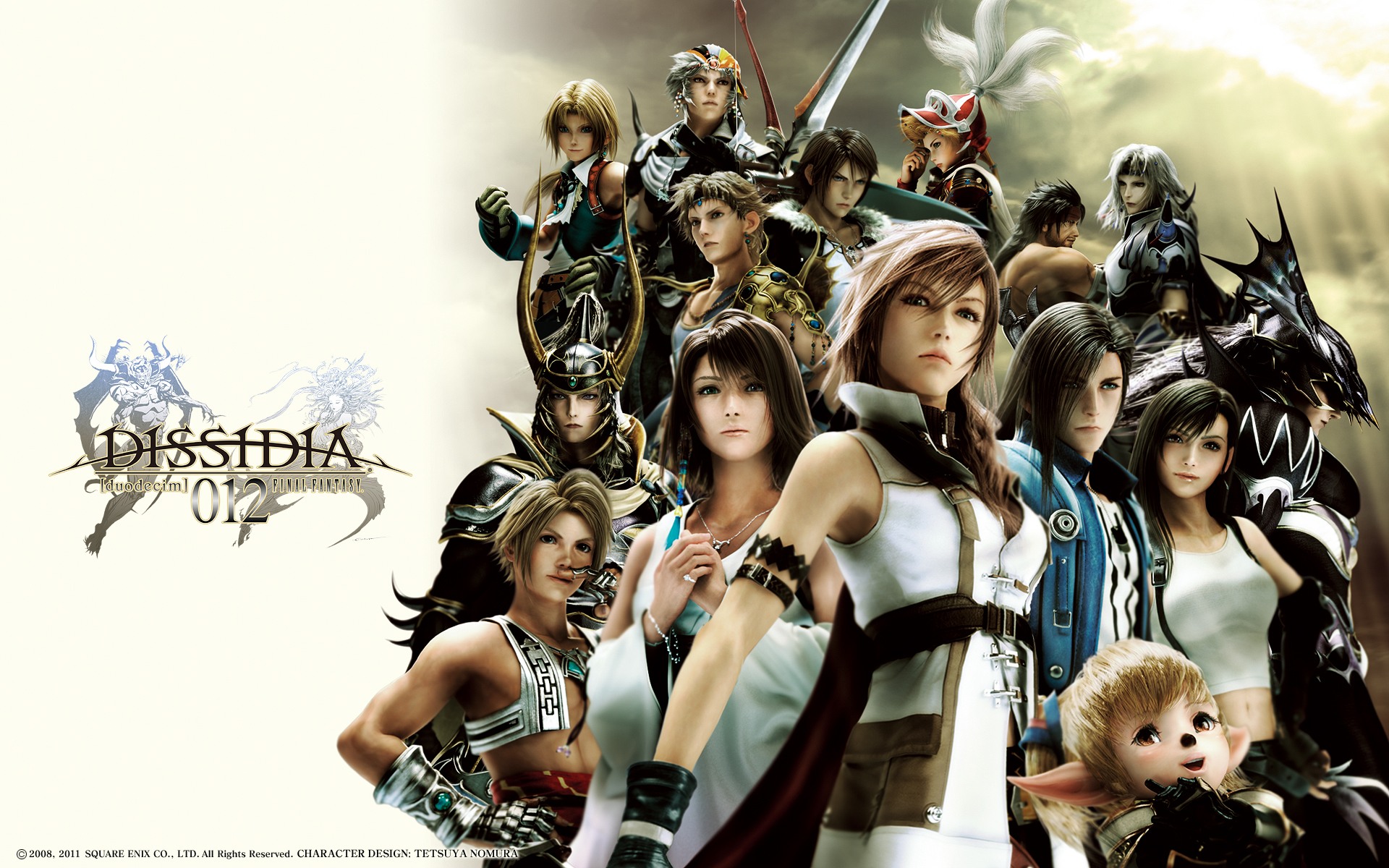
This series has come to represent the Japanese RPG, a way of doing RPG games that often involve turn based battles and heavy characterization. There are fourteen entries, plus spinoffs and sequels. Every entry is a unique world with unique characters. Often, they mix technology and fantasy in interesting ways. What they don't do is let you create your character and make game changing choices (except in the online versions, 11 and 14). So you pretty much have to follow the script, but in some ways that's better, because it allows the makers to create a story that is more interesting that way. There are memorable characters (Cloud, Sephiroth) and beautiful graphics, at least in the later entries. Final Fantasy 7 is the most famous, and one of the best rated.
Warcraft
Blizzard

Warcraft is a RTS (real time strategy) game, where build up cities, recruit troops, and lead the to war. Originally it was human versus orc, later they added undead and night elves in. It was easy to spend hours on building up an army, and multiplayer was tense. Then Blizzard came up with World of Warcraft, which grew to be the biggest massively multiplayer role playing game in the world, and they left behind the strategy part of Warcraft. I don't play, since it costs a monthly fee and I don't want to be addicted like some people end up being, but I heard it is fun.
Heroes of Might and Magic
Ubisoft

This game is also a strategy game where you lead mythical creatures to war, but this one is turn based and the battlefield is set up like a chess board. I actually enjoyed it more, as you had a little bit of time to think, unlike warcraft, and there were more types of creatures, from titans to dragons to centaurs to phoenix. I spent a long time playing this one. The latest versions haven't been as fun to play, though.
Zelda
Nintendo

This series deals with solving puzzles and fighting with a sword. It is in real time, with just one character you're controlling, Link. It can really force you to use your mind and the items you collect. The latest one used the motion controller of the Wii to its fullest extent. A really fun series.
Reblogged from http://sageeyesblog.wordpress.com/2013/01/28/fantasy-in-video-games/
Devils

Devils and demons often play an antagonistic role in fantasy. They take on many different forms and come about in so many different ways. Some are malevolent spirits, others are creatures summoned from another realm, others come from the ground and have nightmarish bodies. All seem to be evil or at least neutral, and are often dangerous when summoned, kept barely under control, if controlled at all.
The concept is mostly associated with Christianity, where the devil, Satan or Lucifer, is a fallen angel opposing God's plan, and trying to lead men to hell. Some say he is the master there, others that he just wants people to be miserable with him. Some say he works alone, others with his demon minions. Most other religions have a devil or some other sort of adversary as well, although now people seem to want to focus on goodness and leave the devil out of it, ignoring him or not believing in one.
The image of the devil came in the middle ages, when priests thought that their followers were not scared enough by the devil, so they made an image meant to frighten people into righteousness. The devil had horns on his head, hooves like a goat, claws, and a tail. Kind of like a satyr, but red. Sometimes they gave him batwings. He used a pitchfork as his weapon. Other demons had similar characteristics. Usually ugly, they might also be beautiful, to seduce you.
Usually in books, these devils or demons don't look like the classical description. The most common is the spirit, since that is what devils are, if they exist (you don't see demons walking around, at least not how they are shown in pictures. People you know, however, like your in-laws if you're unlucky, might be personal demons for you). Sometimes they will possess bodies, a common idea in fantasy.
In games, sometimes they will be shown in a physical form. In Heroes of Might and Magic 6, the demon faction has 7 creatures, each representing one of the deadly sins. In literature, they represent the dark side of humanity, the nightmares, the fears, the depraved acts humans can commit. In this way, Pandora of mythology was the mother of all demons. They also often represent fire, or are represented by it, which, with Prometheus, acted the same way as the forbidden fruit of Adam and Eve: it brought knowledge to humans and the ability to act for themselves, separating them from animals. This knowledge burned with the pains of sin and the light of knowledge.
Since they are rarely, if ever, the good guys, they are a bit more one dimensional than other fantasy creatures. Because of this, and because people are more uncomfortable with religion, they are less and less common as characters. If thinking about using demons, be aware of what they represent and if they go long with the story, and use them in a creative way.
Reblogged from http://sageeyesblog.wordpress.com/2013/01/30/devils/
Subscribe to:
Posts (Atom)